Mental health through movement, at every age.
Clinical, trauma-informed, strength-based programs for children, adults, and elders, in schools, workplaces, and communities. One stride at a time.
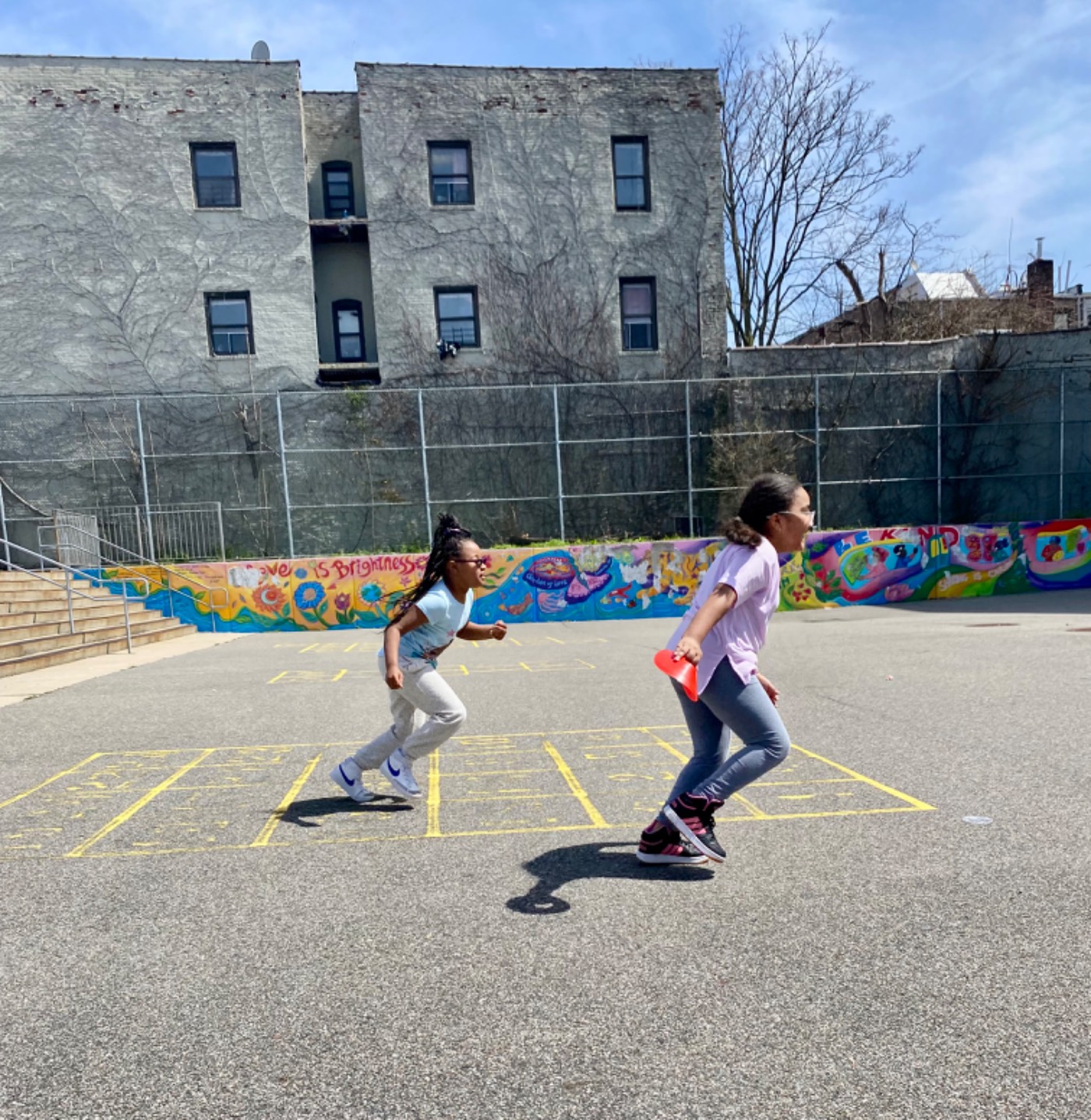
Movement is one of the most powerful ways to build mental health. Most people never get it from a clinician.
Stride4Mind brings clinical, LMSW-led movement and mental health practice to schools, organizations, and workplaces. It is grounded in more than 30 years of clinical, educational, and trauma-informed work, and designed to grow with people through every stage of life.
From a child's first run to an elder's daily walk, the same clinical practice, adapted to each stage of life.
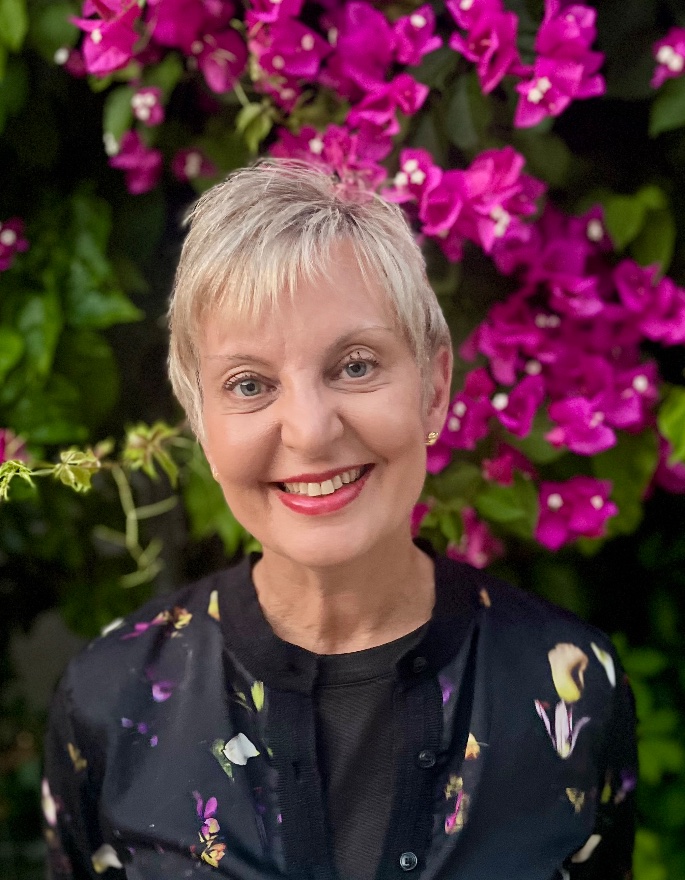
Nicoletta Nerangis, LMSW
Licensed Master Social Worker · MSW, Fordham University
Nicoletta Nerangis is a licensed social worker with more than 30 years of experience as a therapist, school-based crisis counselor, music educator, and coach. Her work sits at the intersection of trauma-informed care, inclusive education, and human development across the lifespan.
She is the author of an evidence-based, trauma-informed mental health and social emotional learning curriculum that uses movement to support emotional regulation, resilience, and belonging. First developed for children and adolescents through Run4Fun, the nonprofit she founded in 2009, it has been extended at Stride4Mind, which she co-founded in 2026 with her son Panagiotis, into programs for adults, older adults, and families. She designs and oversees every Stride4Mind program.
A lifelong advocate for disability inclusion, she founded the Achilles Brooklyn chapter of Achilles International. She speaks on mental health, trauma-informed care, and movement-based intervention across the life cycle, including women's health and healthy ageing, at legislative hearings, community panels, and international conferences.
Four ways to work with us.
Every service draws on the same clinical, trauma-informed, strength-based practice of movement and mental health.
School programs
In schools nowSocial emotional learning through movement, in collaboration with your school, during and after the school day. Youth development mentors deliver the Stride4Mind curriculum, clinician-designed and overseen, with equipment and reporting included.
For principals, districts & community organizationsCurriculum development & licensing
AvailableLicense Stride4Mind’s own curricula, our mental health through movement curriculum and our mental health literacy curriculum, with training for your staff. Or work with us to build a custom curriculum.
For nonprofits, districts & youth sportsLife Stages & intergenerational programs
Booking for 2027Movement and mental health for every stage of life: workplace wellbeing, programs for women and older adults, and intergenerational sessions that bring young people, families, and elders together.
For companies, senior centers, community organizations & familiesConsulting & leadership development
BookingTrauma-informed program design and review, staff training, and leadership development for youth and adult teams.
For nonprofits, health systems & digital health teamsSocial emotional learning through movement.
A clinical, trauma-informed, strength-based SEL program for the school day and after school, designed with your staff and delivered by trained youth development mentors.
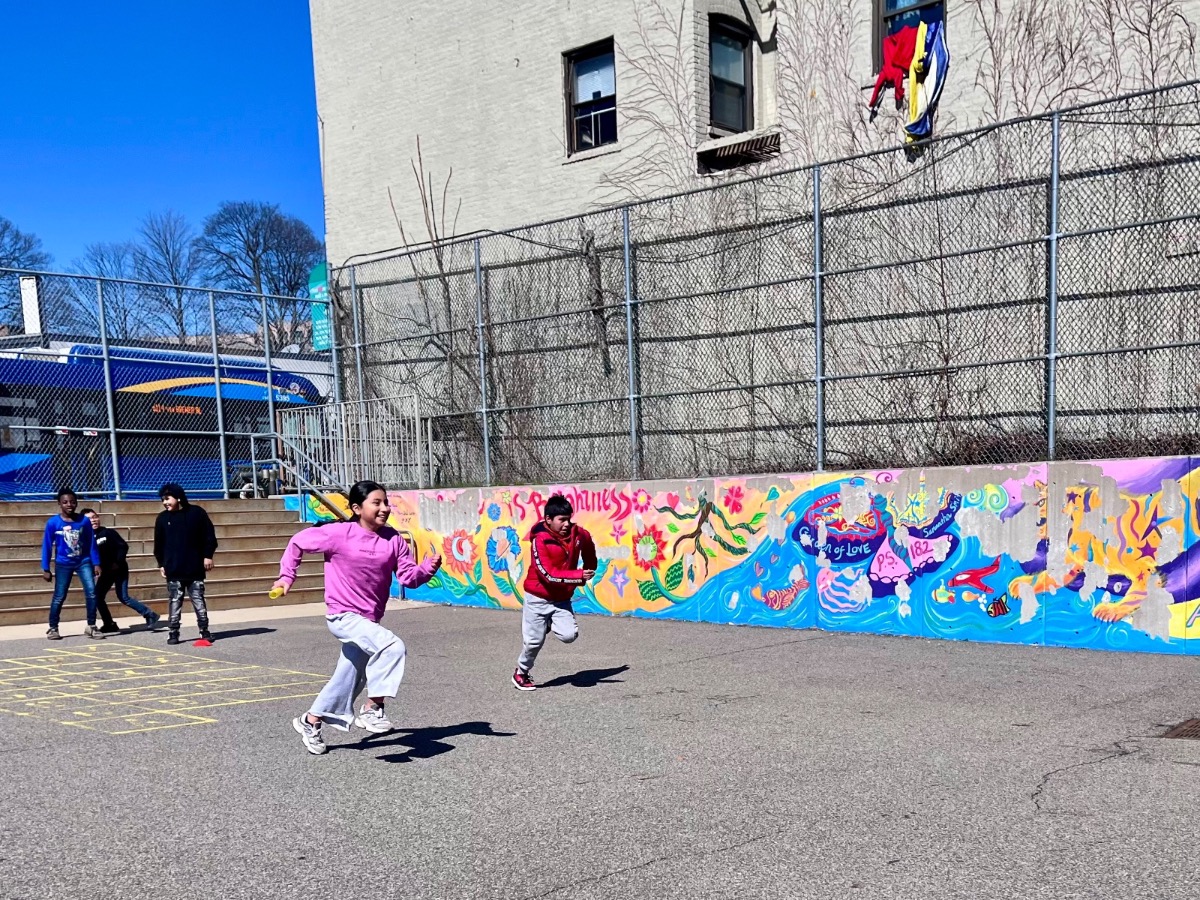
Each session
Arrive and check-in · Activate · Skill focus · Cool-down and reflect. The same four parts every time, so students always know what comes next.
The framework
Built on the STRIDE skills framework, six strengths every student builds through movement, mapped to the five CASEL competencies: Self-awareness, Teamwork, Regulation, Intention, Determination, Empathy.
Included
Mentors, the Stride4Mind curriculum, equipment, clinician oversight, and an end-of-cycle report.
Format & families
PE, after-school, or recess. Gym, yard, or hallway. Grades K–12. Family movement days bring caregivers into the schoolyard.
Accessible to more schools and communities, across the life cycle.
Now delivering at P.S. 182 in Queens with The Child Center of NY, and designed to reach far beyond one school.
Across the life cycle
From childhood through older adulthood, including intergenerational programs that bring families and elders together.
Accessible by design
Multilingual and built for people with disabilities, so no one is left out.
Technology that extends reach
A secure platform and app help trained adults bring the practice to more schools and communities.
Young people are leading the design.
A multilingual, accessibility-centered movement and mental health app, beginning with young people through age 25.
Guardrails for under-18s
Safety built specifically for minors.
Train the trainer & family support
Equipping educators, coaches, and families to support young people.
Accessible by design
Disabilities and multiple languages from day one.
AI supports trusted adults
Behind-the-scenes help with planning, adaptations, and trauma-informed language. Young people connect with people.
“AI should be used to support mental health and not replace human connections.”
Leah · Stride4Mind Youth Advisory Board
Pre-development. Discovery and co-design are underway with our Youth Advisory Board. Safety, privacy, and clinical standards are defined before anything is built.
We are seeking impact investors to build and pilot the app with our school and community partners.
Request the investor brief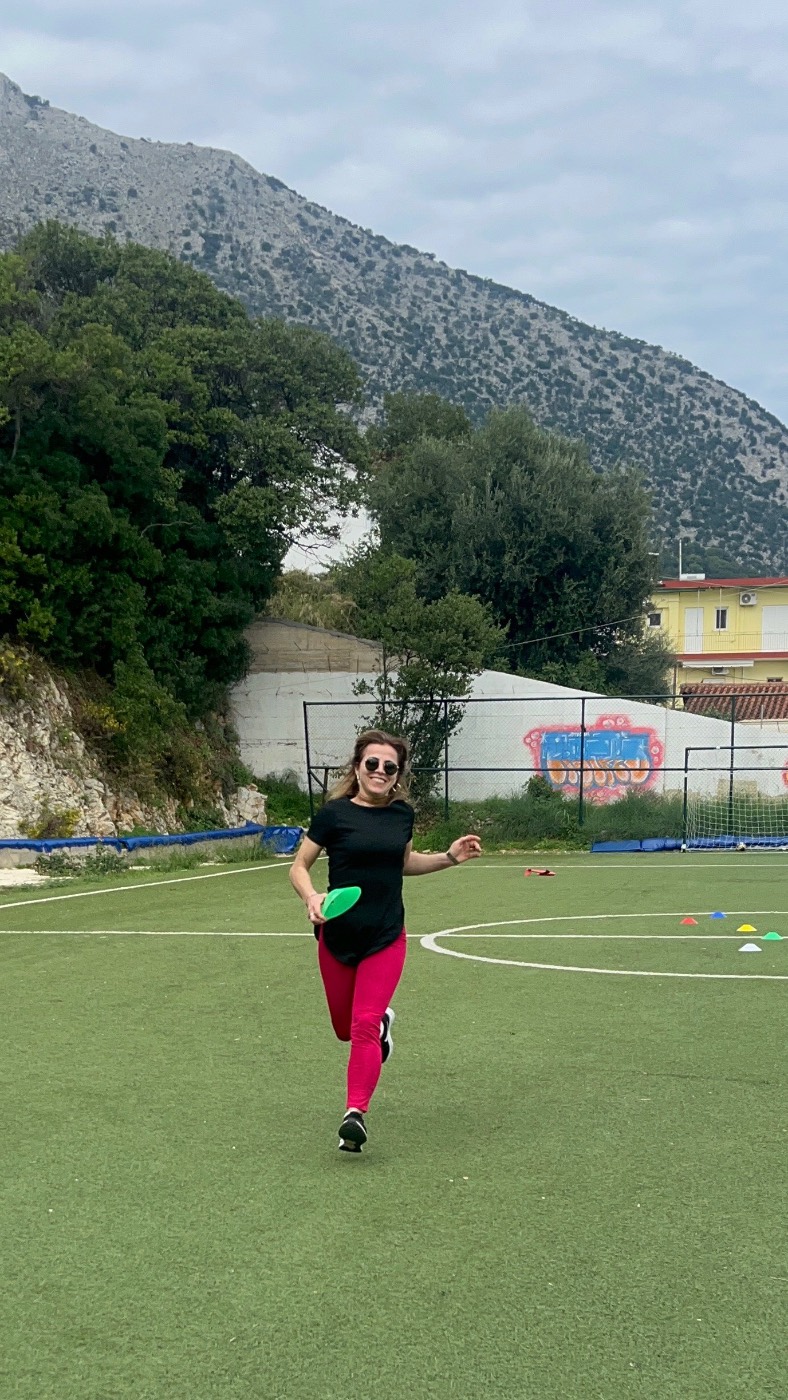
From concept to research: ethical scale, access, and evidence.
Grounded in 30+ years of clinical, educational, and trauma-informed practice, now in New York City public schools.
Expand access
Scaling our curriculum as upstream prevention in NYC, Greece, and beyond.
Human-led digital platform
A secure portal for adult leaders. AI supports trained adults, so every young person's connection stays with a trusted adult.
Evidence & partnerships
Measuring outcomes from the first session, and building research partnerships to test what works.
Young people's voices inform the design. Co-founder Panagiotis helps develop the app and our mental health curriculum, with youth advisors Leah and Max.
Global, evidence-based frameworks, applied through movement across the life cycle.
Stride4Mind draws on established research from public health, psychology and education. The same foundations guide our work with children, adolescents, adults and older adults.
WHO physical activity & mental health guidelines
Regular movement supports mood, attention, sleep and stress response at every age, and is recommended as a first-line protective factor for mental health.
SAMHSA trauma-informed principles
Safety, trustworthiness, peer support, collaboration, voice and choice, and attention to culture, history and identity.
Self-Determination Theory
Motivation and wellbeing grow when people experience autonomy, competence and belonging, from a child's first run to an adult's return to movement.
Lifespan development
Each stage of life carries its own tasks, from belonging in childhood to identity in adolescence, purpose in adulthood and connection in later life. Programs are designed around them.
CASEL SEL framework
Self-awareness, self-management, social awareness, relationship skills and responsible decision-making, taught explicitly through movement.
Positive Youth Development
Young people are assets to develop, not problems to fix. Programs build on strengths and offer real leadership roles.
Exercise as mental health intervention
Meta-analyses show physical activity reduces symptoms of depression and anxiety in adults, with effects comparable to established treatments.
WHO Healthy Ageing framework
Movement, social connection and purpose sustain functional ability and cognitive health in later life.
Developmental relationships
Consistent, caring relationships that express care, challenge growth and share power are a key driver of thriving at every stage.
Sharing the work with health, research, and innovation leaders.
Movement-Based Mental Health: From Grassroots Program to Digital Health Breakthrough Tech Tuesday webinar & BTA SHARE session
Move to Improve: How Exercise Supports Healthy Bodies and Minds in Young People Invited talk
Seeing the Unseen: Addressing Silent Epidemics in Women’s Health Invited talk
Trauma-informed, play-based movement for youth mental health Champions of Active Women, hosted by Deirdre Dlugonski, PhD, University of Kentucky · Listen →
SNF Nostos · June 2023The normalization of violence: the impact of gun violence on children and adolescents Stavros Niarchos Foundation Nostos Conference, Athens · Read →
Keynotes, panels, workshops, and podcasts.
Movement and youth mental health, trauma-informed design of mental health technology, women's health, and intergenerational wellbeing.
Partner with Stride4Mind.
Schools and organizations, workplaces and community groups, impact investors and research partners. Tell us what you are hoping to build.